
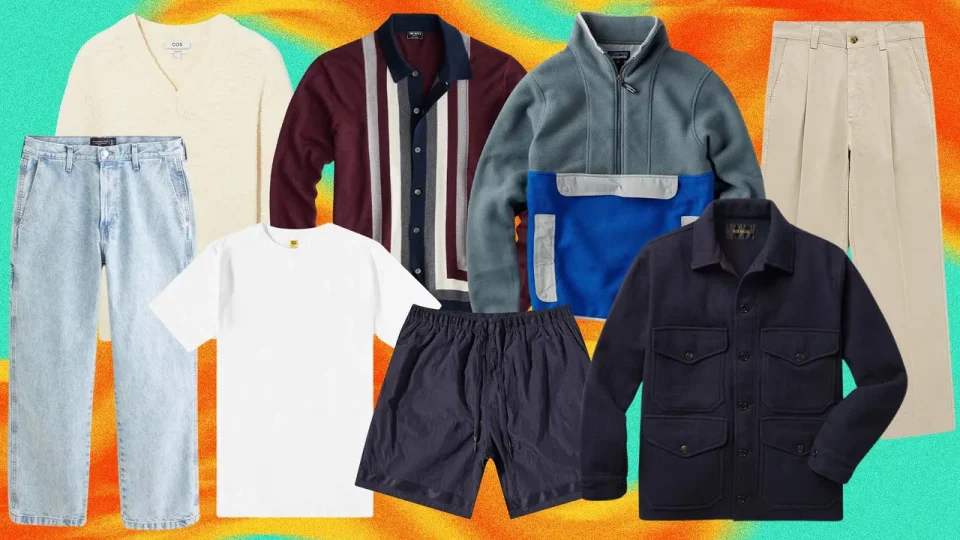
Clothing is far more than fabric stitched together for modesty or protection; it is a powerful expression of identity, creativity, and societal evolution. Over the centuries, clothing has reflected technological progress, cultural shifts, and personal values. From ancient civilizations weaving garments by hand to modern digital fashion powered by AI, the story of clothing is inseparable from the story of humanity itself. Understanding how clothing shapes perception, defines culture, and impacts sustainability is essential for anyone interested in fashion, design, or consumer behavior.
The Historical Evolution of Clothing
The journey of clothing began with necessity but evolved into a global symbol of art and communication. Early humans used animal skins, leaves, and natural fibers to protect against weather. As societies advanced, so did textile technology and craftsmanship. Ancient Egyptians mastered linen production, while the Chinese pioneered silk weaving, setting the stage for luxury and trade. In medieval Europe, clothing indicated class distinction, where nobility flaunted velvet and fur, and peasants wore coarse wool. The Industrial Revolution marked a turning point, introducing mechanized looms and mass production, making fashion accessible to the general public. In modern times, clothing has transitioned from functional wear to a form of social commentary, identity, and even activism.
The Role of Clothing in Personal Expression
Clothing is a non-verbal communicator. Before a word is spoken, attire sends a message about personality, confidence, and intent. A well-tailored suit implies professionalism, while athleisure reflects an active, casual lifestyle. Personal style often develops through a combination of social influence, self-discovery, and lifestyle needs. Today, clothing acts as a visual language—every outfit conveys mood, values, and creativity. Whether minimalist or eclectic, formal or relaxed, clothing gives individuals the ability to define themselves without words.
The Functional Importance of Clothing
Beyond aesthetics, clothing serves vital practical purposes. Its most basic function is protection—from weather, environmental conditions, and occupational hazards.
- Climate Adaptation: Warm wool garments insulate in winter, while breathable cottons and linens cool the body in summer.
- Safety and Utility: Industrial uniforms, fire-resistant fabrics, and medical scrubs ensure workplace safety and hygiene.
- Cultural and Religious Identity: Clothing often follows spiritual and societal traditions, such as robes, turbans, or modest wear.
Functionality and design intersect when clothes are engineered for movement, durability, or specific environments. This balance of form and function is the foundation of smart and performance clothing used in sports, military, and space industries.
The Impact of Culture and Tradition on Clothing
Clothing is deeply intertwined with cultural identity. Each region, religion, and ethnicity expresses heritage through unique textiles, patterns, and silhouettes. For example, Japanese kimonos symbolize elegance and discipline, Indian sarees represent femininity and grace, while African Ankara prints celebrate community and storytelling through color. These garments are not just outfits but emblems of legacy and pride. As globalization continues, cultural clothing has transcended borders, influencing mainstream fashion while preserving heritage. The modern fashion industry often draws inspiration from traditional designs, reinterpreting them through contemporary lenses while maintaining respect for their origins.
The Science and Technology Behind Modern Clothing
Innovation has transformed the way clothing is designed, produced, and worn. Today’s garments merge science, engineering, and design to create functional yet stylish products.
Key technological advancements include:
- Smart Fabrics: Textiles that regulate temperature, monitor biometrics, or change color based on light exposure.
- 3D Printing: Enables the creation of complex, sustainable clothing structures without waste.
- Recycled and Organic Materials: Innovations in eco-textiles, such as bamboo fiber, organic cotton, and recycled polyester, reduce environmental damage.
- AI in Fashion: Artificial intelligence analyzes consumer behavior, predicts trends, and personalizes shopping experiences.
Technology has redefined how clothing is perceived—not just as fashion, but as wearable innovation contributing to comfort, safety, and sustainability.
The Economic and Environmental Dimensions of Clothing
Clothing represents one of the largest global industries, employing millions and driving economic growth. However, it also raises significant sustainability concerns. Fast fashion has increased accessibility but created challenges like overproduction, pollution, and waste. The environmental footprint of clothing includes excessive water use, chemical dyes, and microplastic pollution. In response, many brands and consumers are shifting toward sustainable practices such as circular fashion, upcycling, and slow production.
Economically, clothing also plays a role in empowerment. Small-scale artisans and designers use fashion to sustain livelihoods and preserve traditional craftsmanship. Ethical production practices not only protect the planet but also ensure fair wages and safe working conditions for garment workers.
Clothing and Body Image: The Psychology of Appearance
The relationship between clothing and self-image is profound. What we wear influences how we feel, behave, and interact with others. Psychologists refer to this phenomenon as enclothed cognition—the idea that clothing affects mental processes and confidence. For instance, wearing athletic gear can subconsciously boost performance, while professional attire can enhance focus and assertiveness. Clothing can also act as armor, empowering individuals to face challenging environments or social pressures. However, societal standards often create unrealistic expectations about body types and appearance. The growing movement toward body inclusivity is reshaping fashion to embrace diversity, ensuring that clothing fits people—not the other way around.
The Intersection of Clothing and Technology in the Digital Age
In the digital era, online retail and virtual fashion have revolutionized how clothing is consumed. Social media platforms influence style trends overnight, while digital influencers redefine fashion marketing. Virtual try-ons and 3D simulations allow customers to preview garments before purchasing. Additionally, digital fashion—where clothing exists purely in virtual form for avatars or social media—is emerging as a futuristic trend blending creativity with sustainability. Blockchain technology ensures transparency in sourcing, tracking the origin of materials to promote ethical production. As e-commerce continues to expand, digital clothing experiences are redefining consumer expectations.
Gender, Identity, and the Redefinition of Clothing Norms
Clothing has always been linked to gender expression, but modern society is challenging traditional boundaries. Gender-neutral fashion emphasizes comfort, inclusivity, and individuality over stereotypes. Designers now focus on versatility rather than binary classification, reflecting evolving social perspectives. This shift celebrates self-expression without constraints, empowering individuals to wear what aligns with their identity. The rise of unisex and fluid clothing marks a cultural transformation toward acceptance and freedom.
Sustainable Clothing: The Future of Fashion
The demand for sustainable clothing has grown rapidly as awareness of climate change and ethical consumption increases. Sustainable clothing prioritizes eco-friendly materials, ethical labor, and longevity. Instead of disposable trends, the focus has shifted to timeless design and quality craftsmanship. Sustainable fashion incorporates strategies such as:
- Slow Fashion: Encouraging mindful consumption and durable design.
- Recycling and Upcycling: Transforming old garments into new creations.
- Local Production: Reducing carbon emissions from transportation.
- Eco-Friendly Fabrics: Using hemp, bamboo, organic cotton, and Tencel.
Consumers are becoming more informed, driving change in manufacturing standards and brand accountability. Sustainability is no longer a niche—it’s the future of clothing production and consumption.
Clothing in the Age of Minimalism
As fast fashion peaks, minimalism has gained traction as a counter-movement. Minimalist wardrobes emphasize quality over quantity and timeless style over fleeting trends. Capsule wardrobes, where a few versatile pieces form the foundation of daily wear, have become increasingly popular. This approach simplifies decision-making, reduces waste, and promotes intentional living. Minimalism in clothing also reflects broader societal values of mindfulness, balance, and authenticity.
The Economic Value of Custom and Tailored Clothing
Customization represents a return to personalization in an era of mass production. Tailored clothing ensures precise fit, comfort, and longevity, often outlasting ready-to-wear alternatives. Modern technology now enables custom designs at scale through 3D body scanning and AI-driven pattern making. Personalized clothing enhances confidence and eliminates waste from ill-fitting garments. Consumers increasingly seek individuality, and tailored clothing fulfills that demand by merging craftsmanship with innovation.
The Globalization of Clothing Markets
Globalization has interconnected the clothing industry, creating vast supply chains and cultural fusion in design. Fabrics from Asia, designs from Europe, and manufacturing from North America blend into a truly international fashion ecosystem. While globalization promotes diversity and accessibility, it also demands ethical regulation to ensure fair labor and sustainable sourcing. The worldwide reach of clothing markets demonstrates both opportunity and responsibility—highlighting the need for conscious consumerism and equitable trade.
FAQs about Clothing
Q1. How does clothing affect confidence and performance?
Clothing directly influences mindset and self-perception. Studies show that people perform better when dressed in attire that aligns with the desired role or activity, whether in business, sports, or social settings.
Q2. What is the difference between fast fashion and slow fashion?
Fast fashion prioritizes speed and low cost, often at the expense of quality and sustainability. Slow fashion focuses on ethical production, durable materials, and long-lasting design.
Q3. Why is sustainable clothing important today?
Sustainable clothing minimizes environmental harm, supports fair labor practices, and encourages conscious consumption. It promotes responsibility across the fashion supply chain.
Q4. How can I build a minimalist wardrobe?
Start by identifying essential pieces that match your lifestyle. Choose high-quality, versatile items in neutral tones and gradually reduce excess items that add little value.
Q5. What are the latest innovations in clothing technology?
Advancements include temperature-regulating smart fabrics, biodegradable textiles, digital clothing for virtual spaces, and AI-based personalized shopping experiences.
Clothing represents the intersection of art, culture, and technology. It tells stories, defines identities, and drives economies. From traditional craftsmanship to sustainable innovation, the world of clothing continues to evolve—reflecting not only what people wear but who they are.
