
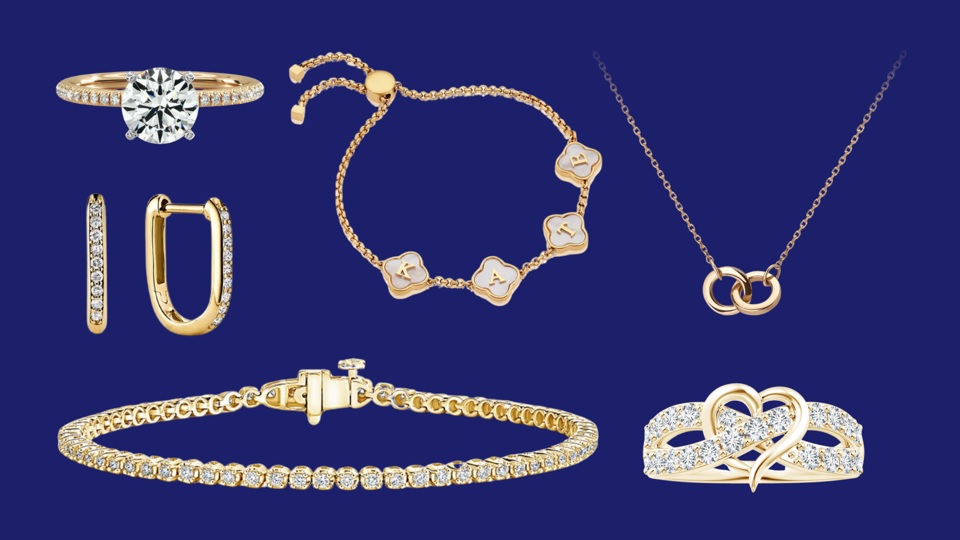
Jewelry has captivated humanity for centuries. Beyond adornment, it embodies art, identity, and emotion. From ancient civilizations to the modern world, jewelry has held deep symbolic and cultural value, reflecting personal expression and societal evolution. It tells stories of love, heritage, craftsmanship, and luxury. The art of jewelry continues to evolve with technology, design innovation, and sustainability reshaping how people create and wear it. To understand jewelry is to explore its history, artistry, and the psychology of human connection to beauty and self-expression.
The Historical Roots of Jewelry
The origin of jewelry traces back over 100,000 years. Early humans used shells, bones, and stones as primitive ornaments. These early adornments were not merely decorative; they were spiritual and symbolic. Ancient Egyptians believed jewelry provided protection and power, often burying their dead with amulets and gold accessories to ensure safe passage to the afterlife. The Greeks and Romans used jewelry to denote wealth, status, and divine favor. During the Middle Ages, jewelry was reserved for royalty and nobility, featuring gemstones believed to possess healing and mystical properties. The Renaissance period saw jewelry evolve into intricate art, celebrating individuality and human creativity. Each era added new techniques and materials, transforming jewelry into a universal form of cultural storytelling.
The Symbolism and Meaning Behind Jewelry
Jewelry carries meaning that extends far beyond its physical form. A diamond engagement ring represents eternal love, a gold medal symbolizes victory, and a family heirloom embodies generations of memory. Every gemstone, metal, and design element tells a story. For example:
- Gold symbolizes wealth, eternity, and divine energy.
- Silver represents purity, reflection, and emotional balance.
- Diamonds stand for strength, clarity, and commitment.
- Pearls embody wisdom and tranquility.
- Emeralds represent rebirth and prosperity.
Throughout history, jewelry has also served as a medium of communication. A signet ring could seal documents and signify authority, while religious pendants expressed faith and devotion. Jewelry is both deeply personal and universally understood.
The Craftsmanship Behind Fine Jewelry
The art of jewelry-making requires skill, patience, and precision. Each piece undergoes a meticulous process from design to completion, blending artistic vision with technical mastery. Jewelers work with metals, gemstones, and innovative materials to create timeless works of wearable art. The stages of jewelry craftsmanship typically include:
- Concept Design: Inspired by nature, culture, or emotion, designers sketch ideas that balance beauty with structure.
- Wax Modeling or 3D Design: Traditional sculpting or computer-aided design (CAD) brings concepts to life.
- Casting and Setting: Molten metal is poured into molds, and gemstones are securely set using techniques like prong, bezel, or pavé settings.
- Polishing and Finishing: The final stage brings shine, texture, and perfection to the piece.
Master jewelers combine creativity with craftsmanship, ensuring every detail—from cut to clarity—achieves harmony. High-end jewelry reflects not just luxury but the dedication and artistry behind its creation.
Jewelry as a Reflection of Identity and Style
Jewelry plays a powerful role in personal identity. It allows people to express individuality, heritage, and mood. Whether minimalist or extravagant, every choice conveys meaning. Some wear jewelry as a daily ritual, while others reserve it for special occasions. Style preferences often evolve with life stages: a simple pendant during youth, a statement piece during adulthood, or heirloom jewelry that carries sentimental legacy. In contemporary culture, jewelry is also used to make social and political statements, challenging norms and celebrating diversity.
The Psychology of Wearing Jewelry
The act of wearing jewelry affects perception and confidence. Psychologists refer to this as “enclothed cognition”—the way attire and accessories influence self-image and behavior. For many, jewelry acts as a confidence booster, a source of empowerment, or a reminder of personal achievements. The emotional connection to jewelry often outweighs its monetary value. A bracelet gifted by a loved one or a ring inherited from an ancestor carries emotional resonance that makes it irreplaceable.
The Economic and Cultural Power of Jewelry
Jewelry is both an art form and a global economic force. The industry spans mining, design, retail, and technology, generating billions annually. Precious metals and gemstones are traded worldwide, influencing markets and economies. Yet, beyond commerce, jewelry reflects cultural identity. In India, gold jewelry represents not only adornment but also financial security and cultural pride. In the Middle East, intricate designs often signify family heritage and craftsmanship traditions. Across Africa, beaded jewelry communicates social roles and tribal identity. Each region contributes unique artistry, creating a global tapestry of cultural expression through jewelry.
The Evolution of Modern Jewelry Design
The 21st century has redefined jewelry design through innovation and inclusivity. Traditional craftsmanship now coexists with cutting-edge technology, giving rise to new materials and sustainable practices. Modern jewelry embraces individuality rather than conformity, offering unisex collections and personalized designs. Designers are experimenting with recycled metals, lab-grown diamonds, and 3D printing to reduce waste and environmental impact. The shift toward conscious luxury represents a cultural transformation—jewelry is no longer about excess but about meaning, ethics, and creativity.
Emerging Trends in Jewelry
Modern jewelry trends reflect a blend of minimalism, sustainability, and personalization. Some key movements shaping the industry include:
- Sustainable Materials: Ethical sourcing and eco-friendly production methods are reshaping consumer preferences.
- Customization: Personalized initials, birthstones, and engraved messages make jewelry more intimate.
- Stackable and Layered Designs: Combining multiple pieces for dynamic expression.
- Mixed Metals: Blending gold, silver, and platinum for versatile styling.
- Gender-Neutral Collections: Designs that transcend traditional gender boundaries.
These trends show how jewelry continues to adapt while preserving its timeless essence.
Gemstones: The Heart of Jewelry
Gemstones remain central to jewelry’s allure. Each stone carries unique visual and metaphysical properties that influence its appeal. Diamonds dominate the luxury market, but colored stones like sapphires, rubies, and emeralds have resurged in popularity. Beyond their beauty, gemstones are often chosen for symbolic and healing qualities.
- Sapphires: Represent wisdom and serenity.
- Rubies: Embody passion, vitality, and courage.
- Amethysts: Known for balance and calm.
- Opals: Symbolize creativity and transformation.
The cutting, polishing, and setting of gemstones require exceptional skill to maximize brilliance and color. As laboratory-grown gems gain prominence, consumers can now access ethically sourced alternatives without compromising quality or beauty.
Jewelry as Investment
Fine jewelry is both adornment and asset. Precious metals and gemstones often retain or appreciate in value, making jewelry a stable form of investment. Gold and diamond jewelry, in particular, serve as financial security during economic uncertainty. However, investment in jewelry requires knowledge—understanding quality factors such as carat, cut, clarity, and craftsmanship is essential. Unlike stocks or real estate, jewelry offers tangible, wearable value that combines aesthetics with financial worth.
The Sustainability Movement in Jewelry
The growing emphasis on sustainability has transformed how jewelry is produced and consumed. Consumers increasingly demand transparency, ethical sourcing, and environmental responsibility. Traditional mining often raises concerns about labor and ecological damage, prompting the rise of alternatives like recycled metals and lab-grown gems. Sustainable jewelry brands focus on:
- Responsible sourcing of materials.
- Supporting artisanal communities.
- Reducing carbon emissions in manufacturing.
- Using conflict-free diamonds and fair-trade gold.
This shift toward responsible luxury reflects a deeper societal change, where consumers seek products that align with their values. Sustainable jewelry not only enhances beauty but also upholds integrity and conscience.
The Future of Jewelry: Innovation Meets Tradition
The future of jewelry lies at the intersection of innovation and heritage. Technology is revolutionizing design through AI-assisted creativity, blockchain authentication, and virtual try-ons. Meanwhile, traditional techniques like hand engraving and filigree remain cherished for their authenticity. Jewelry’s evolution is not about replacing tradition but enhancing it through innovation.
As digital fashion and augmented reality expand, virtual jewelry collections are emerging, allowing consumers to wear digital pieces in virtual spaces. These innovations open new realms of creativity while reducing material waste. Despite technological advancements, the emotional connection to jewelry remains timeless—proof that true beauty transcends trends and generations.
FAQs about Jewelry
Q1. What factors determine the value of a piece of jewelry?
Jewelry value depends on several elements, including metal purity, gemstone quality, craftsmanship, brand reputation, and rarity. Certified gemstones and precious metals generally increase a piece’s worth over time.
Q2. How can I ensure that jewelry is ethically sourced?
Look for certifications like Fairtrade Gold, Kimberley Process (for diamonds), or Responsible Jewellery Council (RJC). Buying from transparent, sustainable sources ensures ethical practices.
Q3. What is the difference between fine jewelry and fashion jewelry?
Fine jewelry is crafted from precious metals and gemstones with lasting durability, while fashion jewelry uses more affordable materials for style and trend appeal. Fine jewelry is often heirloom-quality and retains long-term value.
Q4. Are lab-grown diamonds real diamonds?
Yes. Lab-grown diamonds share the same physical, chemical, and optical properties as natural ones. They are created in controlled environments and are often more sustainable and affordable.
Q5. How should I care for my jewelry?
Store jewelry separately to prevent scratching, clean with mild soap and soft brushes, and avoid harsh chemicals. Regular professional maintenance helps preserve its shine and longevity.
Jewelry represents the perfect union of artistry, emotion, and history. It captures human creativity and sentiment in physical form, making it both personal and universal. From ancient adornments to modern sustainable designs, jewelry continues to evolve while preserving its timeless role as a symbol of beauty, love, and heritage.
