
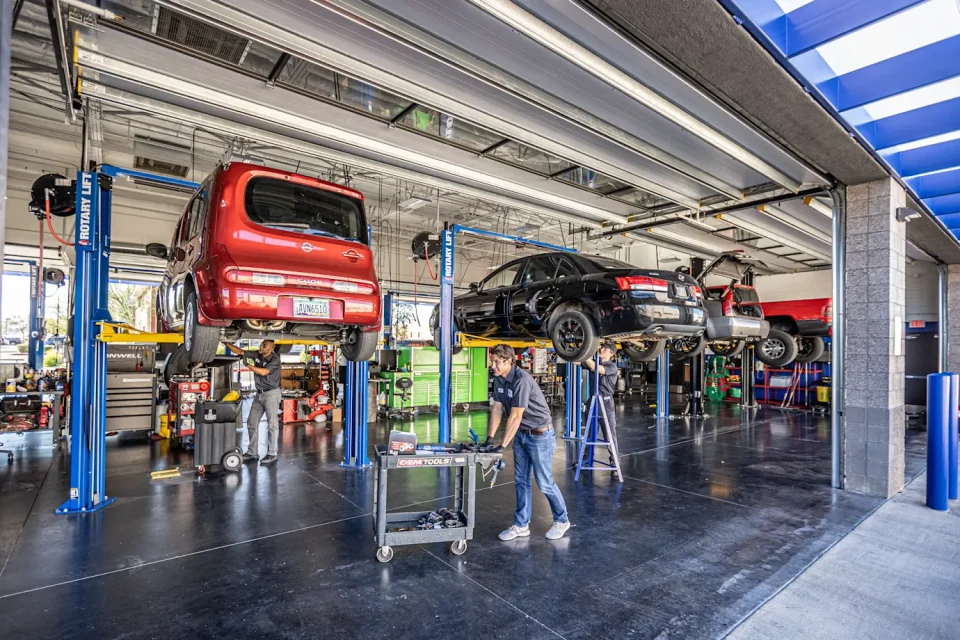
Every auto repair shop relies on a wide variety of specialized tools to diagnose problems, perform maintenance, and carry out precision repairs. Without the right tools, even the most experienced mechanic cannot work efficiently or accurately. Understanding the common tools used in every auto repair shop not only helps technicians perform their jobs effectively but also ensures that vehicles are serviced safely and according to professional standards. Whether you are setting up a new repair business or pursuing a certification in automotive technology, having knowledge of essential automotive tools is the foundation of a successful mechanic’s career.
The Importance of Tools in Auto Repair
Automotive tools are not just accessories—they are the backbone of an efficient repair shop. Each tool plays a specific role, from diagnosing issues in complex electrical systems to fine-tuning engine performance. Modern vehicles incorporate advanced computer systems, so technicians must be equipped with both traditional mechanical tools and modern diagnostic devices. The quality and organization of tools directly influence repair accuracy, work speed, and customer satisfaction.
Basic Hand Tools Every Mechanic Needs
Even in today’s tech-driven repair environment, hand tools remain the cornerstone of every mechanic’s toolkit. These tools are essential for disassembling, adjusting, and reassembling various vehicle components.
Wrenches and Ratchets
Wrenches come in different types and sizes, including combination, adjustable, and torque wrenches. Ratchets and socket sets are equally vital for loosening or tightening bolts with precision.
- Combination wrenches: Feature both open and box ends, ideal for tight spaces.
- Torque wrenches: Used to apply a specific torque to bolts and nuts, crucial for engine and brake work.
- Socket sets: Available in both metric and standard sizes, used for a wide range of automotive applications.
Screwdrivers and Pliers
No auto shop is complete without a collection of screwdrivers and pliers. Mechanics frequently use them for small repairs, electrical connections, and component installations.
- Phillips and flathead screwdrivers: Used for interior panels, dashboards, and minor adjustments.
- Needle-nose pliers: Perfect for accessing hard-to-reach areas or gripping delicate parts.
- Locking pliers (Vise-Grip): Provide a secure grip for removing rusted bolts or clamps.
Hammers and Mallets
Mechanics use hammers for loosening stuck components or reshaping metal parts. Soft mallets are often used when a mechanic needs to apply force without damaging surfaces.
Power Tools and Pneumatic Equipment
Power tools save time and reduce physical strain, allowing mechanics to perform repetitive or heavy-duty tasks more efficiently. In a professional repair environment, these tools are indispensable for productivity.
Impact Wrenches
Impact wrenches are used to loosen or tighten lug nuts, bolts, and fasteners quickly. They deliver high torque output with minimal effort. Pneumatic impact wrenches, powered by compressed air, are the most common type found in auto repair shops.
Air Compressors
Air compressors power pneumatic tools like air ratchets, blow guns, and tire inflators. A reliable air compressor is central to every workshop setup. It provides consistent air pressure for various operations, from cleaning engine compartments to operating spray guns.
Electric Drills and Grinders
Mechanics rely on drills and grinders for metalwork, drilling holes, and smoothing rough edges. Cordless drills are especially valuable for flexibility in tight spaces, while bench grinders help in sharpening tools or removing rust.
Diagnostic and Electronic Tools
With the evolution of vehicle technology, diagnostic tools have become essential in identifying issues that cannot be seen or heard. These tools communicate with a vehicle’s onboard computer to retrieve error codes, monitor sensor data, and verify system performance.
OBD-II Scanners
An OBD-II (On-Board Diagnostics) scanner is one of the most critical tools in modern auto repair. It connects to a car’s diagnostic port to read fault codes and identify malfunctions in systems such as the engine, transmission, and exhaust. Advanced scanners provide real-time data, helping mechanics pinpoint issues quickly.
Multimeters
A digital multimeter measures voltage, current, and resistance in electrical circuits. It’s essential for diagnosing electrical problems such as faulty sensors, broken wires, or malfunctioning alternators.
Battery Testers
Battery testers assess a car battery’s charge capacity, voltage output, and overall condition. Many also analyze the alternator’s performance to ensure proper charging.
Scan Tools for Advanced Diagnostics
High-end scan tools go beyond basic OBD-II readings, offering bi-directional control tests, module reprogramming, and live data streaming. These are used for complex systems in hybrid or luxury vehicles, making them essential in advanced repair shops.
Lifting and Support Equipment
Working underneath vehicles requires safe and reliable lifting equipment. Proper lifting tools not only ensure safety but also allow mechanics to access components like exhaust systems, transmissions, and suspensions.
Hydraulic Floor Jacks
A hydraulic floor jack is a must-have tool for lifting vehicles quickly. It uses fluid pressure to raise the vehicle, providing stability and strength. Mechanics often pair jacks with jack stands for safety while working under the car.
Jack Stands
Jack stands support the vehicle after it’s been lifted. They come in various weight capacities and adjustable heights to accommodate different vehicles safely.
Vehicle Lifts
Professional auto repair shops use hydraulic or electric lifts to raise entire vehicles off the ground. Two-post lifts are common for general repair work, while four-post lifts are used for alignments and larger vehicles.
Engine Hoists and Stands
For major engine repairs or replacements, mechanics use hoists to lift engines out of vehicles. Engine stands then hold the engine securely during disassembly and inspection.
Specialized Tools for Precision Work
Beyond basic and power tools, professional mechanics rely on specialized equipment for specific systems and components.
Brake Tools
Brake maintenance requires several dedicated tools, such as brake bleeders, caliper compressors, and rotor micrometers. These ensure accurate fitting and system safety during brake service.
Suspension and Steering Tools
Alignment tools, ball joint separators, and spring compressors are essential for suspension and steering system repairs. Proper alignment ensures even tire wear and better vehicle handling.
Cooling System Tools
Radiator pressure testers and coolant vacuum fillers are used to check for leaks and refill systems without introducing air pockets.
Transmission and Engine Diagnostic Tools
Compression testers, leak-down testers, and timing lights help assess internal engine health. Mechanics use these tools to identify cylinder leaks, timing issues, or compression imbalances that affect performance.
Shop Equipment for Efficiency
Apart from hand and power tools, auto repair shops need reliable shop equipment to maintain a clean, organized, and safe workspace.
Workbenches and Tool Chests
Heavy-duty workbenches provide stable surfaces for assembly and repair work. Tool chests help in organizing tools systematically, preventing loss and improving efficiency.
Parts Washers
A parts washer uses solvents to clean greasy or dirty components efficiently. Keeping parts clean ensures accurate diagnostics and proper reassembly.
Tire and Wheel Service Equipment
Tire changers and wheel balancers are essential in any auto repair facility. These machines simplify tire replacement, ensure proper balancing, and enhance driving comfort.
Oil Drains and Fluid Extractors
Changing oil and other fluids requires clean and efficient tools to prevent spills and contamination. Portable oil drains and vacuum extractors simplify this process while maintaining shop hygiene.
Safety Tools and Protective Equipment
Safety is a top priority in any automotive environment. Mechanics work with heavy equipment, chemicals, and electrical systems, making personal protective equipment (PPE) mandatory.
Essential safety tools and gear include:
- Safety goggles and gloves for chemical or metalwork protection
- Steel-toed boots to prevent foot injuries
- Fire extinguishers and first aid kits
- Welding masks and protective clothing for fabrication tasks
- Ventilation fans for maintaining clean air in enclosed spaces
A safe workplace minimizes accidents and improves productivity by creating a comfortable working environment.
The Role of Tool Maintenance
Having top-quality tools is one thing, but maintaining them is equally important. Proper maintenance ensures that tools last longer and perform accurately. Mechanics regularly clean, lubricate, and inspect their tools for wear and tear. Using storage systems such as tool cabinets and magnetic holders also helps prevent misplacement and damage.
Tips for maintaining tools:
- Clean tools after every use to remove oil and debris.
- Calibrate torque wrenches periodically for accuracy.
- Store power tools in dry environments to avoid rust and corrosion.
- Replace worn-out or damaged tools immediately to maintain safety.
The Evolving Role of Technology in Automotive Tools
As vehicle technology evolves, so does the nature of automotive tools. Electric vehicles (EVs) and hybrid models require specialized equipment such as high-voltage testers, battery cooling tools, and insulated hand tools to ensure safe repairs. Additionally, diagnostic software and cloud-based systems are becoming essential for tracking vehicle data and updating repair procedures.
Mechanics who invest in learning new technology and upgrading their tools stay ahead in the fast-changing automotive service industry.
Frequently Asked Questions (FAQ)
Q1: What are the most essential tools for a beginner mechanic?
A beginner should start with a quality wrench set, screwdrivers, pliers, a torque wrench, and a basic OBD-II scanner. These tools cover most routine maintenance and small repairs.
Q2: How often should I calibrate my torque wrench?
It’s recommended to calibrate your torque wrench at least once a year or after 5,000 cycles of use to ensure accuracy.
Q3: Are pneumatic tools better than electric tools?
Both have advantages. Pneumatic tools offer higher torque and durability for heavy-duty work, while electric tools provide flexibility and portability for smaller jobs.
Q4: Can automotive diagnostic tools work on all vehicles?
Most OBD-II scanners work on vehicles built after 1996, but advanced scanners may require software updates or manufacturer-specific modules for newer or luxury models.
Q5: How do mechanics keep their tools organized?
Mechanics use labeled tool drawers, wall-mounted pegboards, and shadow foam inserts to organize tools efficiently, preventing downtime caused by searching for misplaced items.
Q6: What tools are needed for electric vehicle maintenance?
EV mechanics require insulated hand tools, high-voltage gloves, and specialized battery service equipment to ensure safety when working on electric systems.
Every successful auto repair shop depends on the right combination of precision tools, modern diagnostic equipment, and safety gear. Understanding the common tools used in every auto repair shop enables mechanics to perform accurate repairs, maintain efficiency, and deliver reliable results that keep vehicles running safely and smoothly.
