
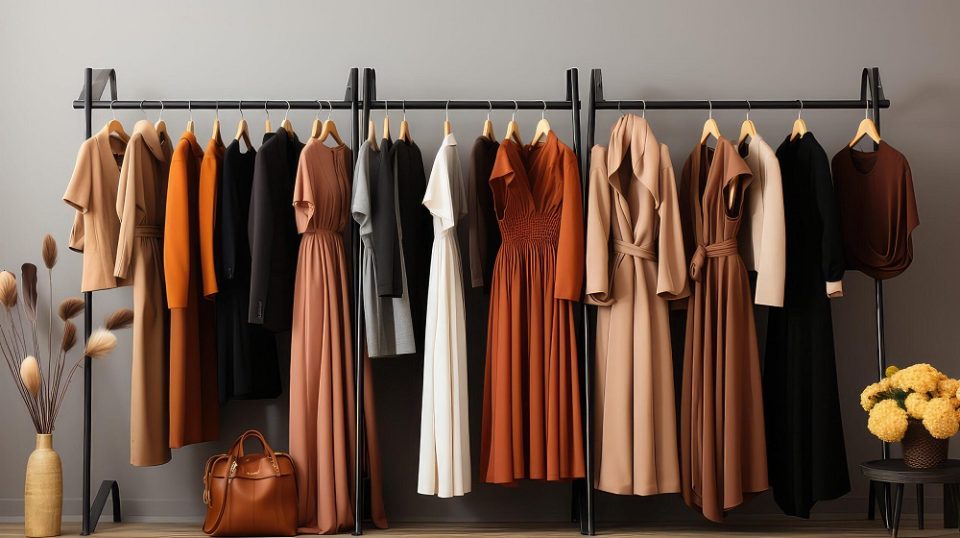
Projecting credibility, competence, and confidence in the workplace begins with a thoughtful, well-curated wardrobe. While workplace dress codes continue to evolve toward business casual and hybrid flexibility, the core principles of professional attire remain unchanged. Dressing well is not about accumulating vast quantities of trendy garments; it centers on assembling high-quality, interchangeable foundations tailored to fit your frame and lifestyle.
A functional professional wardrobe operates as a modular system. When every piece complements the rest through harmonized color palettes, durable textiles, and clean tailoring, getting dressed each morning becomes effortless. Investing in foundational garments protects your personal brand and ensures you navigate everything from routine client meetings to high-stakes board presentations with poise.
Foundational Principles of a Professional Wardrobe
Before acquiring individual garments, understanding the principles of professional dressing guarantees that every purchase delivers lasting value.
-
Focus on custom tailoring: An inexpensive suit or dress altered to fit your precise measurements will consistently look superior to a luxury designer piece straight off the rack. Shoulder seams, sleeve lengths, waist suppression, and trouser breaks require precision.
-
Select resilient, high-grade natural textiles: Natural fibers such as worsted wool, Egyptian cotton, silk, and breathable linen blends hold their shape, breathe naturally throughout long working days, and resist premature wear compared to thin synthetic alternatives.
-
Stick to a versatile, neutral color palette: Base your core wardrobe on navy, charcoal gray, crisp white, black, camel, and subtle light blue. These shades interact seamlessly, allowing you to mix and match without visual clashes.
-
Prioritize cost-per-wear over upfront price: Durable, well-constructed garments with timeless cuts yield a lower cost-per-wear over five years than cheap fast-fashion pieces that degrade after a handful of wash cycles.
Core Tailoring and Outerwear
Outerwear and structured tailoring set the standard for your visual authority in corporate settings.
The Two-Piece Wool Suit
A tailored two-piece suit in dark navy or medium charcoal gray serves as the absolute backbone of professional clothing. Worsted wool is the ideal material because its natural crimp allows the fabric to resist wrinkles, recover from travel packing, and regulate body temperature across all four seasons.
For men, a two-button, single-breasted jacket with notch lapels and flat-front trousers offers universal versatility. For women, a tailored blazer paired with coordinating trousers or a tailored pencil skirt establishes an authoritative baseline that can be separated and styled independently with casual pieces.
The Unstructured Blazer or Sport Coat
Modern office environments often call for polished elegance without the strict formality of a full suit. An unstructured blazer in hopsack wool, soft tweed, or cotton-linen blends bridges this gap. Featuring soft, unpadded shoulders and minimal interior lining, an unstructured jacket drapes comfortably over knitwear and button-downs, instantly upgrading casual chinos or tailored denim.
The Classic Mid-Length Trench Coat
Commuting during unpredictable weather demands outerwear that protects your clothing while maintaining clean lines. A double-breasted or sleek single-breasted trench coat in khaki, beige, or navy provides water-resistant performance. Ensure the hemline falls at or just above the knee to create a streamlined, flattering silhouette over tailored jackets.
Essential Shirts, Blouses, and Knitwear
The garments worn directly beneath structured jackets frame your face and carry the daily burden of professional styling.
Crisp Cotton Dress Shirts and Button-Downs
Every professional needs a rotation of well-fitted dress shirts crafted from two-ply cotton poplin, pinpoint oxford, or fine twill.
-
The stark white shirt: A clean white shirt is the most formal, adaptable shirt you can own, complementing every suit color and necktie pattern.
-
The light blue pinpoint: Soft blue softens high-contrast corporate settings while maintaining an orderly, approachable presence.
-
The micro-stripe or subtle check: Subtle patterns introduce texture without overwhelming formal meetings.
Ensure the collar holds its shape with proper collar stays, and check that the fabric across the chest does not pull or gap when sitting.
Fluid Silk and Crepe Blouses
For women, silk or matte crepe blouses in ivory, blush, slate, or jewel tones provide a refined drape beneath blazers and cardigans. Choose styles with clean crew necklines, discreet V-necks, or subtle tie-neck details that remain secure and modest during active workdays.
Fine-Gauge Merino Wool and Cashmere Sweaters
Knitwear adds depth and seasonal adaptability to a corporate wardrobe. Crewneck, V-neck, and fine-ribbed turtleneck sweaters made from lightweight merino wool or Mongolian cashmere layer effortlessly over collared shirts or beneath blazers. Opt for solid neutral tones to maintain a tidy appearance during cooler months.
Professional Trousers and Skirts
The lower half of your wardrobe must balance sharp tailoring with all-day seated comfort.
Tailored Wool Trousers and Chinos
Invest in flat-front trousers made from mid-weight tropical wool or structured cotton-stretch twill. Navy, charcoal, and tailored taupe trousers pair with almost any top in your collection. The hem should rest with a slight break over the top of your shoes, preventing the fabric from bunching awkwardly at the ankles.
The Tailored Sheath Dress and Pencil Skirt
For women, a well-cut sheath dress or high-waisted pencil skirt in structured crepe or wool blend serves as an all-in-one outfit solution. The hemline should hover right around the top or middle of the knee. These pieces can be worn solo during warmer days or paired with a structured jacket for formal presentations.
Dark-Wash Straight-Leg Denim
In business-casual and modern tech environments, denim is widely accepted when selected with care. Choose dark indigo or solid black denim with zero distressing, fading, or whiskering. A clean straight-leg or slim-tailored cut ensures the jeans read as tailored trousers rather than weekend casual wear.
Foundational Footwear and Leather Goods
Shoes and accessories reflect attention to detail. Scuffed, worn, or mismatched leather goods can undermine an otherwise well-planned outfit.
-
Classic leather oxford or derby shoes: For men, a cap-toe oxford in black box calfskin handles formal corporate settings, while a rich brown semi-brogue derby offers versatile styling for business-casual trousers.
-
Leather loafers and dress flats: Sleek penny loafers, horsebit slip-ons, and pointed-toe leather flats combine professional elegance with comfort for active office days.
-
Classic block-heel or kitten-heel pumps: A closed-toe leather pump in black or nude with a supportive two-to-three-inch heel delivers classic elevation without causing foot strain.
-
Matching leather dress belts: Keep belts slim (around one to one-and-a-quarter inches wide) with understated brushed silver or brass buckles, matching the leather tone closely to your footwear.
-
Structured leather work tote or briefcase: Carry a clean, architectural leather bag with dedicated padded compartments for laptops, documents, and chargers to maintain an orderly presentation.
Frequently Asked Questions
How many suits does a working professional realistically need to start with?
Starting with two well-tailored suits—one in deep navy and one in charcoal gray—provides sufficient versatility for a full five-day work week. By alternating the jackets and trousers with different shirts, ties, and knitwear, you can create a wide variety of distinct, professional outfits without repeating identical looks.
What is the difference between worsted wool and woolen fabric in professional clothing?
Worsted wool undergoes a specialized combing process that aligns the fibers parallel before spinning, producing a smooth, dense, and wrinkle-resistant fabric ideal for formal suits and trousers across all seasons. Woolen fabrics are spun without combing, resulting in a fuzzy, heavier, and more casual texture found in winter tweeds and flannel coats.
How often should professional tailored suits and blazers be dry cleaned?
Tailored wool suits should be dry cleaned only two to three times per year, or when visibly soiled. Excessive exposure to harsh dry-cleaning chemicals strips natural lanolin oils from wool fibers, causing the fabric to become brittle and develop an unnatural shine. Routine maintenance should rely on natural-bristle garment brushing, spot cleaning, and gentle steaming.
What collar style on a dress shirt is the most versatile for corporate wear?
A semi-spread collar is the most universally flattering and versatile option. It provides sufficient space to frame a standard four-in-hand or half-Windsor tie knot cleanly, yet remains upright and structured when worn open-collar beneath a sport coat.
How should a professional dress for an interview when the company culture is strictly casual?
When interviewing at a casual or tech startup workplace, aim one level above the daily employee dress code. Opt for smart business casual, such as tailored chinos or dark-wash denim paired with a crisp button-down shirt, fine-gauge sweater, and unstructured blazer. This demonstrates respect for the interview process without looking disconnected from the company culture.
What are the best socks to wear with professional trousers and suits?
Choose over-the-calf or mid-calf dress socks made from fine mercerized cotton, merino wool, or silk blends. The socks should match the color of your trousers rather than your shoes to visually extend the leg line, and they must remain high enough on the calf to prevent bare skin from showing when you cross your legs while seated.
Why do some white dress shirts appear translucent, and how can that be avoided?
Translucency is caused by thin, low-thread-count cotton weaves such as lightweight plain broadcloth. To avoid visible skin or undershirts, choose shirts made from denser, two-ply fabrics with textured weaves, such as pinpoint oxford, royal oxford, twill, or herringbone, which naturally block light while maintaining breathability.
