
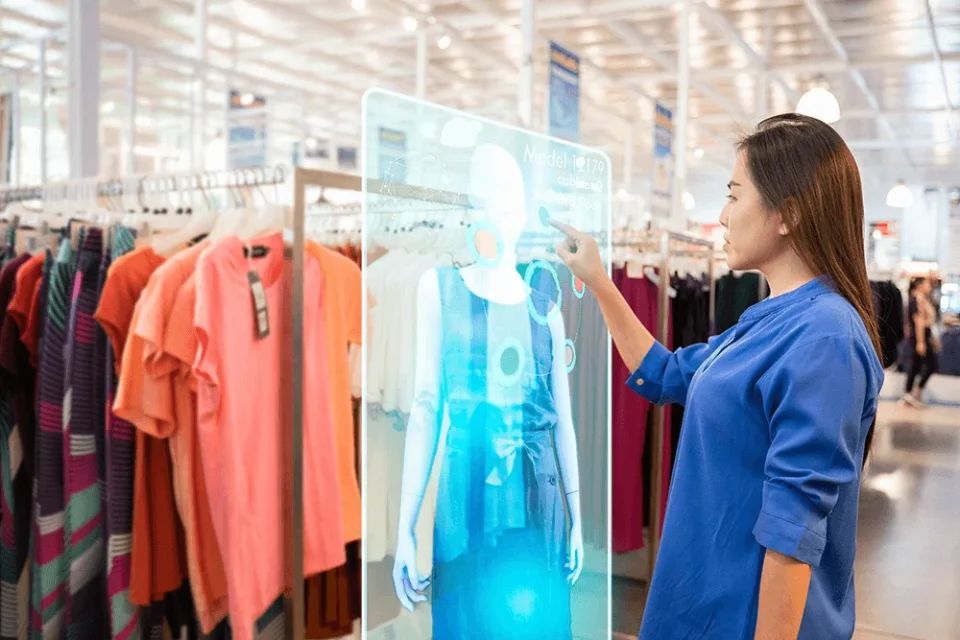
Outlet retail has evolved far beyond its original identity as simple clearance warehouses designed to offload surplus factory overruns, irregular stock, and past-season merchandise. Today, modern outlet stores operate as dynamic, highly profitable commercial hubs that deliver brand-defining shopping experiences while offering attractive consumer value. This strategic evolution has been enabled by the systematic adoption of sophisticated retail technology.
Running a contemporary outlet store requires handling variable inventory, unpredictable foot traffic, and high transaction volumes while maintaining tight operating margins. Retailers increasingly deploy cloud architecture, intelligent data analytics, automated inventory tracking, and integrated point-of-sale systems to streamline their physical footprint. By modernizing their operational workflows, outlet retailers optimize supply chain accuracy, empower floor staff, and deliver seamless customer experiences.
Real-Time Inventory Control and Tracking Systems
Managing inventory across an outlet network presents distinct logistical challenges. Unlike traditional flagship boutiques that carry stable, uniform assortments of core products, outlet stores routinely process mixed pallets, fragmented size runs, and irregular merchandise flows from multiple regional distribution channels.
-
Radio frequency identification deployment: Integrating RFID tags into apparel and hardline goods allows store associates to conduct full sales floor inventory counts in minutes rather than days. Staff can sweep handheld scanners across display tables and garment racks to identify misplaced merchandise and stockouts instantly.
-
Automated stock replenishment workflows: Cloud-based inventory software tracks real-time sales velocity, automatically generating restocking orders from central distribution centers before popular sizes and key categories disappear from shelves.
-
Intelligent loss prevention systems: Advanced electronic article surveillance gates paired with computer vision technology monitor entrance and exit thresholds. These integrated systems alert management to organized retail crime attempts and track high-shrink merchandise categories without creating friction for paying customers.
-
Unified warehouse management coordination: Real-time visibility into incoming freight shipments enables backroom logistics teams to stage intake areas, print localized pricing labels, and move merchandise onto the sales floor rapidly upon delivery.
Dynamic Pricing and Markdown Optimization Engines
Pricing strategies within outlet environments require continuous calibration. Retailers must balance rapid inventory liquidation with margin protection, ensuring that goods move quickly without relying on unnecessary, across-the-board markdowns.
Algorithmic Markdown Modeling
Machine learning platforms analyze historical sell-through rates, localized customer demographics, seasonal shifts, and remaining size distributions to calculate precise markdown schedules. Instead of applying arbitrary percentage discounts, dynamic pricing algorithms determine the exact price point required to sell out a specific SKU within a targeted timeframe while preserving maximum gross margin.
Electronic Shelf Labels and Centralized Price Management
Manually retagging thousands of clearance items with adhesive markdown stickers wastes hundreds of labor hours and leads to pricing discrepancies at the register. Modern outlet facilities utilize electronic shelf labels and digital e-ink display rails. Central corporate merchandising teams can adjust prices across an entire regional outlet network with a single digital update, ensuring immediate consistency between shelf displays and checkout systems.
Localized Promotional Targeting
Geofenced retail software identifies nearby foot traffic and sends targeted digital promotions to registered loyalty members entering outlet shopping centers. These real-time notifications drive immediate visits by promoting time-limited flash sales on overstocked categories.
Modernizing Point-of-Sale and Checkout Architecture
The checkout area is one of the most critical operational touchpoints in an outlet environment. Outlet centers often experience extreme traffic surges during weekends and holiday clearance events, making queue management essential for customer satisfaction.
-
Mobile point-of-sale terminals: Equipping sales associates with mobile tablets and handheld payment terminals allows them to ring up transactions, check regional stock availability, and email digital receipts anywhere on the sales floor, effectively eliminating congested checkout lines during peak shopping hours.
-
Frictionless self-checkout kiosks: Deploying intuitive self-service stations allows shoppers with small basket sizes to scan, pay, and detach security tags independently, freeing cashiers to handle complex returns, multi-item transactions, and customer inquiries.
-
Hybrid payment gateway integration: Modern checkout terminals support diverse payment avenues, including contactless mobile wallets, chip cards, split tenders, and localized Buy Now, Pay Later options, speeding up transaction processing times.
-
Instant digital loyalty enrollment: Optical scanners capture contact credentials from mobile screens in seconds, allowing new shoppers to join brand reward programs at checkout without filling out paper forms or slowing down the queue.
Workforce Optimization and Smart Labor Scheduling
Labor represents one of the largest controllable operational expenditures for physical retail stores. Modern workforce management platforms help outlet store managers align staff coverage directly with customer demand patterns.
Predictive Foot-Traffic Analytics
Optical overhead traffic sensors and heat-mapping cameras measure customer density throughout the store. Predictive software pairs this foot-traffic data with historical sales patterns and local weather forecasts to model hourly staffing needs, ensuring the sales floor is properly staffed during peak shopping rushes while avoiding overstaffing during quiet weekday mornings.
Task Management and Digital Work Orders
Store managers use smart mobile devices to assign operational duties—such as visual merchandising refreshes, fitting room recovery, and inventory counts—directly to floor associates. These platforms track task completion rates and provide clear step-by-step visual guides, ensuring consistent brand standards across all regional locations.
Shift Flexibility and Self-Service Scheduling
Cloud-based human capital management tools enable store associates to view their work schedules, request shift trades with colleagues, and claim open shifts directly from their personal mobile devices. This operational autonomy reduces absenteeism, improves retention rates, and minimizes administrative scheduling friction for store managers.
Connecting In-Store Operations with Omnichannel Networks
The distinction between physical brick-and-mortar storefronts and digital e-commerce channels has largely dissolved. Modern outlet stores serve as crucial operational nodes within broader omnichannel retail networks.
-
Fulfillment from store capabilities: Intelligent order routing software treats outlet stockrooms as decentralized micro-fulfillment hubs. When online shoppers order past-season or clearance merchandise, systems route orders to the nearest outlet location holding excess inventory for picking, packing, and direct parcel shipment.
-
Buy online, pick up in store services: Offering localized store pickup drives digital shoppers into physical outlet locations. While picking up their digital orders, consumers frequently browse the sales floor, generating incremental impulse purchases.
-
Cross-channel returns management: Integrated retail software allows outlet stores to process returns for items purchased across flagship stores, outlet branches, or e-commerce portals seamlessly. Automated systems immediately evaluate returned goods, determine whether to return them to inventory or initiate regional markdowns, and process customer refunds instantly.
Frequently Asked Questions
How does modern outlet store technology differ from flagship retail store technology?
While both store formats use modern point-of-sale and inventory software, outlet systems place far greater emphasis on high-velocity inventory turnover, dynamic markdown algorithms, irregular lot intake, and rapid queue-busting solutions designed to handle high transaction volumes and fragmented merchandise assortments.
What is the average return on investment timeline for an outlet store deploying RFID technology?
Most retail chains experience a full return on their RFID investment within twelve to eighteen months. The financial gains stem from drastic reductions in inventory labor costs, a drop in retail shrinkage, and improved inventory accuracy from sixty-five percent to over ninety-eight percent, which directly boosts sales through better on-shelf availability.
How do modern outlet stores prevent pricing discrepancies between shelf displays and checkout registers?
Retailers eliminate pricing errors by integrating central enterprise resource planning databases with electronic shelf labels and cloud point-of-sale systems. When a product price is adjusted in the central system, the digital shelf display, mobile scanners, and checkout terminals update simultaneously, ensuring full price transparency.
Can predictive workforce management tools accommodate sudden, unexpected surges in foot traffic?
Yes. Modern systems analyze real-time foot-traffic data from entrance sensors and automatically alert store managers when customer volume exceeds baseline projections. Managers can then reassign stockroom staff to customer-facing duties or call in on-demand associates to prevent service bottlenecks.
How does technology help outlet stores manage merchandise designed specifically for outlet channels?
Many brands manufacture dedicated product lines specifically for outlet distribution. Enterprise software tracks the design, manufacturing specifications, cost structures, and sales margins of these dedicated goods separately from liquidated flagship inventory, providing clear financial reporting on both product streams.
What measures do modern outlet stores use to secure digital transactions and customer data on mobile terminals?
Mobile point-of-sale devices utilize point-to-point encryption, data tokenization, and secure cloud storage protocols. Sensitive financial data and credit card details are encrypted instantly at the physical card reader and routed directly to PCI-DSS compliant processing gateways without ever being stored locally on the mobile device.
How does omnichannel integration benefit outlet store profitability if e-commerce takes a share of sales?
Using outlet stores as decentralized fulfillment and return hubs lowers shipping expenses by fulfilling digital orders closer to end consumers. It also accelerates the clearance of overstocked items and drives physical foot traffic to outlet locations when online shoppers pick up or return items in person.
