
In the competitive world of e-commerce, the checkout stage is where customer interest translates into revenue. Online merchants spend substantial capital driving qualified traffic through paid search, social media campaigns, and search engine optimization. However, a significant portion of potential buyers abandon their carts during the final transaction phase due to friction in the payment process.
Modern digital consumers demand flexibility, speed, security, and convenience when paying for goods and services. Restricting a storefront to a single payment processor or requiring manual credit card entry creates unnecessary purchase barriers. By integrating a diversified suite of payment gateways—ranging from digital wallets and installment services to direct bank transfers and regional payment methods—online retailers can significantly lower abandonment rates, boost conversion metrics, and cultivate lasting consumer trust.
Reducing Shopping Cart Abandonment Rates
Cart abandonment remains one of the most persistent operational hurdles for digital retailers. A primary driver of checkout drop-off is the absence of a shopper’s preferred payment method.
-
Minimizing input fatigue: Manually typing a sixteen-digit card number, expiration date, and billing address on a mobile keyboard introduces high friction. One-click payment alternatives eliminate this step entirely.
-
Overcoming unexpected card declines: When an online shop relies on a single merchant gateway, technical glitches or overly strict fraud filters can trigger false card declines. Providing secondary payment avenues allows shoppers to complete the purchase using an alternative funding source.
-
Eliminating forced account creation: Requiring users to establish a permanent customer profile just to enter card data increases drop-off. Integrated third-party wallets allow customers to check out seamlessly as guests using pre-verified financial credentials.
-
Accommodating generational payment preferences: While older demographics often prefer traditional credit and debit cards, younger demographics gravitate toward mobile wallets and flexible financing solutions.
Expanding Global Market Reach and Cross-Border Sales
Expanding an e-commerce brand into international territories requires more than translating website copy and calculating foreign shipping rates. Payment cultures vary dramatically across global markets.
Accommodating Localized Payment Methods
While major credit card networks dominate transactions in North America, international regions rely on distinct domestic frameworks:
-
Bank redirect systems: European markets frequently utilize direct online banking systems where payments are authenticated directly through the consumer’s bank application.
-
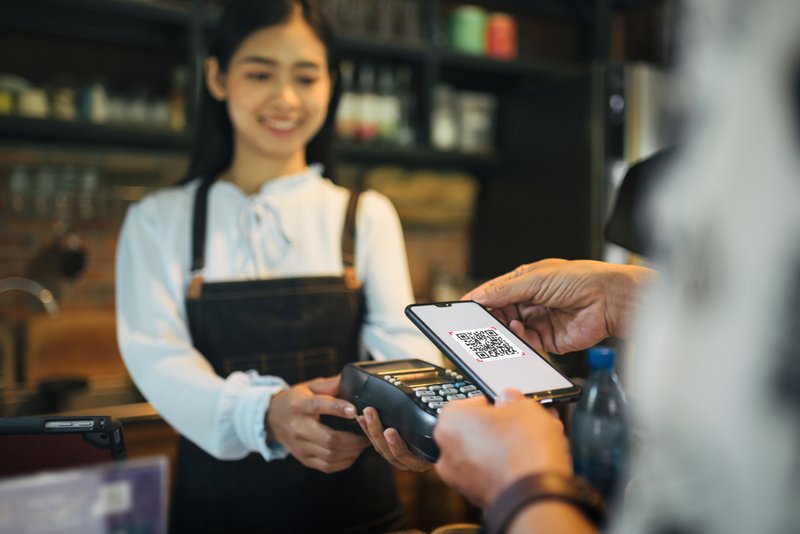
Mobile-first digital wallets: Across Asian markets, super-apps and QR-code-based mobile wallets account for the vast majority of consumer retail transactions.
-
Cash-on-delivery and voucher networks: In emerging digital economies, cash-based voucher systems and cash-on-delivery models bridge the gap for unbanked or underbanked populations.
Multi-Currency Processing Without Conversion Friction
When international visitors see product prices listed in their domestic currency and can complete the transaction using familiar local gateways, conversion rates rise dramatically. Transparent pricing eliminates unexpected foreign transaction fees on bank statements, reducing buyer hesitation and subsequent chargeback disputes.
Driving Higher Average Order Value Through Flexible Financing
The integration of alternative financing models, particularly Buy Now, Pay Later (BNPL) services, has transformed e-commerce order economics.
Splitting High-Ticket Purchases
Installment services divide large purchase totals into three, four, or six interest-free payments spread across consecutive weeks or months. Spreading out the expense lowers immediate upfront cost barriers for high-ticket items like consumer electronics, designer apparel, luxury furniture, and fitness machinery.
Increasing Conversion on Premium Product Lines
When consumers have access to point-of-sale financing, they are more willing to upgrade to higher-tier product bundles, add accessory packages, or purchase complementary warranties. The perceived affordability of structured installments directly increases the store’s average order value without requiring aggressive promotional discounts.
Guarantees for the Merchant
Installment providers assume the underlying credit and fraud risks of the transaction. The merchant receives the full purchase funds upfront (minus the platform processing fee), while the financial provider handles subsequent collection schedules directly with the end consumer.
Enhancing Consumer Trust and Transaction Security
Payment security is paramount in online shopping. First-time visitors are often hesitant to enter sensitive financial details on an unfamiliar digital storefront.
-
Leveraging recognized brand trust: Displaying recognizable payment trust badges like Apple Pay, Google Pay, PayPal, and major credit card networks reassures shoppers that their transaction is processed securely.
-
Advanced biometric authentication: Mobile wallets utilize device-level biometric verification, such as facial recognition and fingerprint scanning, alongside two-factor authentication to secure transactions.
-
Data tokenization and PCI compliance: Integrated payment gateways replace sensitive primary account numbers with encrypted tokens. This architecture ensures that sensitive card data never touches the merchant’s private servers, drastically reducing organizational liability under PCI-DSS standards.
-
Lowering fraud and chargeback liability: Advanced payment processors deploy machine learning algorithms that analyze hundreds of behavioral signals to block fraudulent transactions before they settle, protecting both the buyer and merchant.
Optimizing the Mobile Checkout Experience
Mobile devices generate the majority of global e-commerce traffic, yet mobile conversion rates historically lag behind desktop performance due to cumbersome form-filling processes on smaller screens.
Streamlining Mobile Payment Flows
Digital wallets designed for mobile operating systems eliminate form fields. Shoppers complete the entire checkout sequence—including shipping address selection, billing confirmation, and payment authorization—in a few seconds via biometric confirmation.
Faster Page Render Speeds
Modern payment application programming interfaces load asynchronously within checkout modules. By keeping payment workflows lightweight and modular, e-commerce stores maintain rapid mobile page loading speeds, preventing mobile users from bouncing due to slow transaction screens.
Improving Merchant Cash Flow and Operational Efficiency
A diverse payment ecosystem benefits merchant operations behind the scenes just as much as it benefits consumer experience at checkout.
-
Shorter settlement cycles: Many modern digital wallets and direct bank transfer systems clear funds faster than traditional credit card merchant accounts, speeding up working capital cycles.
-
Lower interchange fees on alternative rails: Direct account-to-account payments and localized debit rails often carry significantly lower transaction fees than premium credit cards, reducing overall payment processing overhead.
-
Automated reconciliation workflows: Enterprise e-commerce platforms integrate multiple payment feeds into a unified administrative dashboard, automatically reconciling transactions, chargebacks, and payouts with central accounting software.
Frequently Asked Questions
How many payment options should an online shop realistically offer?
Most mid-sized e-commerce stores find the optimal balance by offering four to six distinct payment methods: standard credit and debit card processing, two major digital wallets (such as Apple Pay and Google Pay), one established third-party portal (such as PayPal), and one Buy Now, Pay Later provider. Adding too many overlapping options can create visual clutter that confuses shoppers.
Are Buy Now, Pay Later transaction fees higher for merchants than standard credit card processing fees?
Yes. BNPL providers typically charge merchants a processing fee ranging from three to eight percent per transaction, compared to standard credit card processing rates of one and a half to three and a half percent. However, merchants usually offset this higher fee through increased conversion rates and higher average order values.
How does offering multiple payment gateways impact website loading speed?
If payment scripts are loaded improperly, they can slow down site performance. To prevent delays, merchants should use unified payment orchestration platforms or modern software development kits that load payment modules asynchronously, ensuring the storefront loads instantly while payment scripts run smoothly in the background.
What is a payment orchestration platform, and when should an e-commerce business use one?
A payment orchestration platform is a software layer that integrates and manages multiple payment gateways, routing transactions dynamically through the most cost-effective and reliable processor. High-growth and international merchants use orchestration platforms to reduce integration maintenance, lower transaction fees, and provide automatic failover routing if a primary gateway experiences downtime.
How do alternative payment methods handle customer refunds and product returns?
Refunds are routed back through the original payment method used during checkout. If a customer paid using an installment service, the merchant initiates the refund through their e-commerce dashboard, and the installment provider adjusts the customer balance or refunds installments already paid.
Can offering direct bank transfers expose an online store to chargeback fraud?
Direct bank transfers and account-to-account payments generally carry a much lower risk of chargeback fraud than credit cards. Because direct bank transfers require the customer to authenticate the transaction securely inside their private banking portal, the payments are settled with high finality and cannot be easily reversed under standard consumer dispute claims.
What security certifications must an online shop maintain when handling various payment gateways?
Online stores that use hosted payment fields or tokenized gateway integrations generally qualify for streamlined PCI-DSS (Payment Card Industry Data Security Standard) self-assessment questionnaires. By ensuring that raw financial data is handled entirely by certified Level 1 PCI-compliant processors, merchants avoid the complex security requirements of storing sensitive card numbers on their own servers.
