
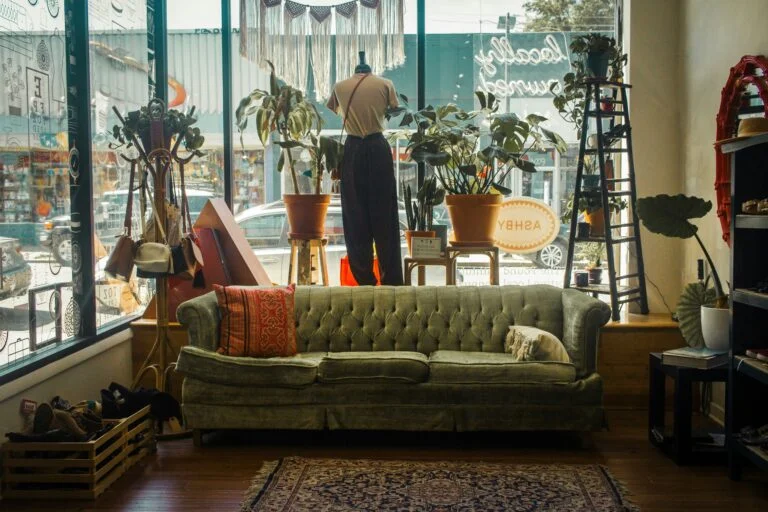
Designing a beautiful, inviting living space does not require an unlimited budget or a professional interior designer. Many homeowners and renters assume that achieving an editorial, curated interior requires spending thousands of dollars at luxury furniture showrooms. In reality, great interior design is rooted in thoughtful planning, intentional spatial balance, smart material choices, and strategic shopping habits.
When you understand the fundamentals of scale, texture, and visual focal points, you can source budget-friendly decor that looks elevated and enduring. By learning where to save, where to allocate funds, and how to spot hidden gems in unexpected places, you can transform your home into a stylish sanctuary without accumulating unnecessary debt.
Establish a Clear Design Vision Before Spending
The quickest way to waste money on home decor is to start buying items haphazardly without a unified concept. When you purchase disconnected pieces simply because they look appealing in a store aisle, you end up with visual clutter rather than a cohesive environment.
-
Create a visual mood board: Gather digital or physical images of spaces that resonate with you. Pay attention to recurring patterns in color schemes, wood tones, metal finishes, and overall aesthetics, whether you prefer warm minimalism, mid-century modern, or traditional layered spaces.
-
Determine a tight color palette: Stick to a base palette of two to three foundational neutral shades (such as warm ivory, soft gray, or taupe) and two complementary accent colors. A disciplined palette ensures that decor items can move seamlessly between different rooms.
-
Measure every dimension accurately: Measure your room layout, ceiling height, and doorways before browsing furniture. A stylish sofa that is too large for your living room or a rug that is too small for your seating area instantly cheapens the look of the space, regardless of how much you spent.
-
Define your high-traffic focal zones: Focus your resources on the areas you and your guests spend the most time in, such as the living room seating arrangement or the dining area, before decorating secondary spaces like guest bedrooms or utility hallways.
Strategic Allocation: Where to Splurge and Where to Save
A sophisticated home blends investment anchor pieces with affordable accent decor. Knowing how to distribute your funds prevents overspending on items that could easily be sourced for less.
High-Impact Anchor Investments
Invest in pieces that receive daily physical use or act as the primary visual anchors of a room:
-
Sofa and daily seating: A well-constructed sofa with a sturdy kiln-dried hardwood frame and high-density foam cushions provides long-term comfort and durability.
-
Mattress and primary bed frame: Quality sleep infrastructure directly impacts health and wellbeing, making it a non-negotiable investment.
-
Large area rugs: A properly sized rug that anchors all furniture legs ties a room together. Look for durable, low-maintenance materials like wool-blends or flat-weave jute.
Budget-Friendly Accent Opportunities
Save money on high-turnover accent items that can be swapped out easily as trends evolve:
-
Throw pillow covers and blankets: Instead of buying expensive pre-filled pillows, purchase affordable pillow covers in linen, velvet, or boucle, and fill them with reusable down or faux-down inserts.
-
Decorative table accents: Ceramic bowls, decorative stone trays, glass candle holders, and wooden bead garlands can be sourced cheaply at discount home retailers or thrift shops.
-
Lamps and lighting shades: Inexpensive lamp bases can look high-end when paired with clean, textured linen drum shades.
-
Wall art and picture frames: Large-format frames from budget craft stores look custom-made when fitted with wide white matboards and printable art downloads.
Sourcing Hidden Gems from Secondhand and Discount Channels
Some of the most character-rich interiors rely heavily on vintage, antique, and secondhand finds. Incorporating pre-owned elements adds history and warmth to a space, preventing it from looking like a generic mass-market catalog showroom.
-
Explore estate sales and architectural salvage yards: Estate sales are treasure troves for solid wood sideboards, marble-topped coffee tables, brass floor lamps, and vintage oil paintings at a fraction of retail prices.
-
Browse local digital classifieds and consignment stores: Set up keyword alerts for quality heritage brands on neighborhood resale platforms. Many people sell gently used furniture when relocating, allowing you to acquire premium goods at steep discounts.
-
Visit thrift stores for decorative glass and ceramics: Look past dated finishes and focus on silhouettes. Ceramic vases, brass candlesticks, iron bowls, and woven wicker baskets can easily be refreshed with a coat of textured paint or metal polish.
-
Frequent discount home goods retailers: Check clearance aisles at big-box discount retailers for high-end surplus goods, imported linens, artisanal pottery, and stoneware dinner sets.
Inexpensive Styling Techniques That Instantly Elevate a Room
Achieving a stylish home often depends more on how you arrange your items than on the price tag of the decor itself. Simple styling adjustments can make modest items appear deliberate and luxurious.
Layer Varied Textures
When decorating on a budget, rely on textural contrast rather than expensive decorative objects to create visual depth. Mix smooth glazed ceramics with rough terracotta, pair sleek metal lamp stems with natural linen shades, and drape a chunky knit throw over a tailored cotton sofa. Layering tactile surfaces keeps monochromatic or neutral rooms interesting and cozy.
Hang Curtains High and Wide
One of the easiest ways to make a room feel grand and spacious is by installing window treatments correctly. Mount curtain rods close to the ceiling line rather than directly above the window frame, and extend the rod several inches past the window sides. Choose full-length curtain panels that kiss or hover just above the floor. This draws the eye upward, creating the illusion of soaring ceilings and wider windows.
Incorporate Natural Botanical Elements
Live greenery breathes life and color into any room without requiring a large investment. Foraged branches arranged in a tall ceramic vessel make a dramatic, architectural centerpiece on a dining table or fireplace mantel. Low-maintenance indoor plants like snake plants, pothos, and ZZ plants bring lush, vibrant energy to empty corners while improving indoor air quality.
De-Clutter and Group in Odd Numbers
Crowding every horizontal surface with small trinkets creates visual noise and makes a home feel chaotic. Practice editing by leaving plenty of empty space on coffee tables, bookshelves, and console tables. When grouping decorative items, arrange them in clusters of three or five, varying the heights, widths, and materials to establish balanced visual harmony.
DIY Upgrades for High-End Custom Looks
Simple do-it-yourself adjustments can elevate basic mass-produced furniture into personalized, high-end statement pieces.
-
Swap out standard hardware: Replace basic cabinet pulls and dresser knobs with solid brushed brass, matte black iron, or fluted ceramic hardware.
-
Apply paint strategically: A fresh coat of warm white, moody olive, or deep charcoal paint can instantly revitalize tired wooden furniture, interior doors, or architectural trim.
-
Use peel-and-stick architectural accents: Add depth to plain drywall by installing peel-and-stick picture frame molding, faux board-and-batten paneling, or textured grasscloth wallpaper on an accent wall.
-
Upgrade frame mats: Take inexpensive art prints and mount them inside oversized picture frames with custom-cut wide mats to give modest wall art an upscale, gallery-quality appearance.
Frequently Asked Questions
What is the most common home decor mistake people make when working with a limited budget?
The most frequent mistake is buying an undersized area rug to save money. A tiny rug floating under a coffee table makes the entire room appear disjointed and cramped. A rug should be large enough that at least the front legs of all major seating furniture rest comfortably on top of it.
How can I make mass-produced, flat-pack furniture look custom and expensive?
You can elevate basic flat-pack furniture by swapping out standard plastic or metal legs for turned wood or tapered brass feet, installing sophisticated hardware, and filling visible screw holes with matching wood putty. Applying a matte clear sealant or painting the unit in a tailored tone also removes the glossy artificial look of laminate.
What type of indoor lighting is best for creating a cozy, elevated atmosphere on a budget?
Avoid relying exclusively on harsh, single overhead ceiling fixtures. Create a layered lighting plan using a combination of floor lamps, table lamps, and wall sconces fitted with warm-white LED bulbs (between 2700K and 3000K). Adding inexpensive inline dimmer switches allows you to adjust ambient light levels easily throughout the evening.
How do I choose the right scale of wall art for a large living room wall without overspending?
Instead of purchasing a single massive canvas, create an affordable gallery wall using a grid of identical, budget-friendly picture frames with wide white mats. Alternatively, frame an architectural blueprint, a vintage botanical chart, or an enlarged engineering print of a personal photograph, which can be printed at local print shops for very little cost.
Can mixing different wood tones look cohesive in a budget-friendly home?
Yes, provided the different woods share a similar undertone. You can comfortably blend light oak, walnut, and warm maple if you establish a dominant wood tone for major pieces and repeat the secondary wood tones at least twice throughout the room via picture frames, bowl accents, or side table legs.
How do I make rental spaces feel custom-designed without losing my security deposit?
Focus on non-permanent upgrades such as removable peel-and-stick wallpaper, temporary stick-on backsplash tiles, freestanding bookshelves, tension-rod window treatments, and plug-in wall sconces. Swapping out standard light switch plates and kitchen cabinet knobs with your own hardware—and reinstalling the originals before moving out—instantly elevates a rental space.
What should I look for when evaluating whether a thrifted furniture piece is worth buying?
Examine the structural bones of the piece. Look for solid wood construction, dovetailed drawer joints, and level frames that do not wobble. Cosmetic defects like surface scratches, peeling varnish, or dated colors are easy and inexpensive to fix with basic sanding and paint, but repairing warped frames or broken structural joints often costs more than the item is worth.
