
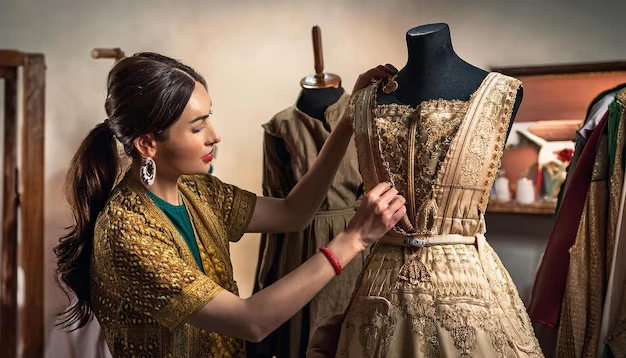
Fashion is more than the clothes people wear; it is a global language that expresses identity, culture, and creativity. It reflects who we are, how we feel, and how we want to be perceived. In a world constantly evolving, fashion adapts with it—shaped by art, technology, social change, and personal interpretation. The concept of fashion is dynamic, merging tradition with innovation, and practicality with self-expression. To understand fashion deeply is to understand society itself.
The Meaning and Essence of Fashion
Fashion represents the intersection between individual expression and collective culture. It’s not limited to clothing but extends to lifestyle, aesthetics, and attitudes. It is both personal and public, embodying the unique characteristics of each era while allowing individuals to differentiate themselves.
At its core, fashion serves three main purposes:
- Functionality: Providing comfort and protection.
- Expression: Reflecting mood, identity, and personality.
- Social Significance: Conveying cultural and economic status.
Fashion is constantly evolving through innovation and reinterpretation. What begins as a small creative idea can become a global trend that influences industries and societies worldwide.
The Historical Evolution of Fashion
Fashion has transformed across centuries, reflecting technological progress, cultural shifts, and social hierarchies. In ancient civilizations, attire was a direct representation of wealth and class. Egyptian linen garments symbolized purity, while Roman togas conveyed power. During the Renaissance, fashion became more elaborate as the elite used it to display status and artistic taste.
The Industrial Revolution marked a pivotal moment. With the rise of textile manufacturing, clothing became more accessible, giving birth to modern fashion markets. The 20th century introduced ready-to-wear collections, style icons, and fashion houses that shaped contemporary fashion culture. Today, the digital age continues to redefine how people create, consume, and interact with fashion, emphasizing diversity and sustainability.
The Role of Fashion in Society
Fashion is a mirror of society. It reveals collective values, political movements, and social transformations. For instance, the 1920s flapper dresses symbolized liberation for women, while the 1960s youth culture introduced rebellion through denim and vibrant prints. Fashion influences social norms and simultaneously breaks them.
Fashion also serves as a tool for empowerment. It allows individuals to challenge stereotypes, express beliefs, and reclaim identity. In many cultures, fashion holds ceremonial significance—bridal gowns, traditional attire, and uniforms carry emotional and cultural meaning that extends beyond aesthetics.
The Influence of Culture on Fashion
Culture is the heartbeat of fashion. Every country and community contributes to the global fashion narrative through traditional textiles, craftsmanship, and design philosophy. For example:
- Japan integrates simplicity and precision, seen in the kimono and modern minimalism.
- India celebrates color and fabric diversity through sarees, embroidery, and handloom weaving.
- Africa showcases bold prints and patterns, symbolizing heritage and storytelling.
Globalization has led to cultural exchange in fashion, allowing designers to draw inspiration from multiple traditions. However, the line between cultural appreciation and appropriation must be respected. Ethical designers aim to celebrate diversity without exploiting or misrepresenting cultural symbols.
The Business and Economics of Fashion
Fashion is one of the largest global industries, valued at trillions of dollars and employing millions of people across design, manufacturing, retail, and marketing. It drives economies and influences trade patterns, yet also faces criticism for environmental and ethical issues.
The economic value of fashion lies in its cyclical nature—demand is sustained through constant innovation and reinvention. Fashion brands invest in design research, trend forecasting, and digital marketing to maintain relevance. Seasonal collections and fashion weeks stimulate both creativity and commerce, reinforcing the connection between art and industry.
Key Economic Drivers in Fashion
- Consumer Behavior: Trends evolve with shifts in lifestyle, media influence, and social values.
- Technology: Automation, AI-driven design, and online retail enhance efficiency and accessibility.
- Global Supply Chains: Efficient logistics systems allow international collaboration but raise sustainability challenges.
- Digital Transformation: Virtual fashion shows, influencer marketing, and e-commerce redefine customer experiences.
Fashion’s economic success depends on its ability to blend artistry with adaptability, responding to both cultural shifts and technological progress.
Fashion and Technology: A Digital Revolution
Technology has redefined how fashion is designed, produced, and experienced. Artificial intelligence, 3D printing, and virtual reality have brought innovation to every stage of the fashion cycle.
- AI in Design and Forecasting: Machine learning algorithms predict trends based on social media data, buying habits, and global patterns.
- 3D Printing and On-Demand Production: Designers can now produce prototypes faster, reducing waste and cost.
- Virtual Fashion: Digital garments exist only online, offering sustainable alternatives for influencers and virtual identities.
- Blockchain in Supply Chains: Transparency is increasing, allowing consumers to trace products from source to sale.
Technology also supports inclusivity through adaptive clothing designs that cater to diverse body types and abilities. This fusion of tech and creativity represents the future of fashion.
The Sustainability Challenge in Fashion
Sustainability has become the most critical issue in the fashion industry. Traditional manufacturing contributes to pollution, overproduction, and exploitation. The fast-paced consumer culture often prioritizes quantity over quality, leading to excessive waste.
Sustainable fashion seeks to balance creativity with responsibility. This approach promotes ethical sourcing, renewable materials, and fair labor practices. Key strategies include:
- Circular Fashion: Recycling, upcycling, and resale reduce waste and extend garment lifespan.
- Eco-Friendly Materials: Using organic cotton, hemp, bamboo, and plant-based dyes.
- Slow Fashion: Encouraging mindful consumption and quality craftsmanship.
- Local Production: Reducing carbon emissions from global logistics.
Sustainability is no longer an option but a necessity for the future of fashion. Consumers today demand transparency and accountability from brands, leading to widespread change in how fashion operates.
The Psychology of Fashion and Personal Style
Fashion influences not only how others perceive us but how we perceive ourselves. Clothing choices affect confidence, mood, and even behavior—a concept known as enclothed cognition. Wearing certain styles can psychologically enhance performance or reinforce identity.
Personal style is a reflection of one’s inner self, shaped by experiences, aspirations, and environment. While trends inspire, true style is timeless. Understanding one’s body type, color preferences, and comfort level helps cultivate a wardrobe that aligns with individuality.
Fashion psychology also examines social influence. People often dress to fit in or stand out depending on their environment. Recognizing these behavioral patterns enables smarter fashion choices rooted in authenticity rather than conformity.
Gender and Inclusivity in Modern Fashion
The modern fashion landscape celebrates diversity and challenges gender norms. Gender-neutral and unisex collections are increasingly common, emphasizing individuality over traditional binary divisions. Designers are embracing inclusivity by offering broader size ranges and adaptive clothing for people with disabilities.
This shift marks a cultural transformation toward acceptance and freedom. Clothing is no longer confined by social expectations but serves as a tool for self-definition. Inclusive fashion acknowledges that style belongs to everyone, regardless of gender, size, or background.
Fashion as an Art Form
Fashion is a visual and tactile art. Designers, like artists, convey stories through texture, color, and silhouette. Each collection reflects imagination translated into tangible expression. Couture fashion exemplifies artistry—handcrafted garments that blur the line between clothing and sculpture.
Fashion exhibitions in museums further solidify its place within the art world. Garments are preserved as cultural artifacts, representing historical context and craftsmanship. Fashion is art that moves with life, adapting to the rhythm of human experience.
The Future of Fashion: Innovation and Ethics
The future of fashion lies at the intersection of creativity, technology, and sustainability. As digitalization accelerates, the industry will see increased use of artificial intelligence for personalized shopping, smart fabrics that adjust to environmental conditions, and sustainable materials engineered from biotechnology.
The rise of digital fashion will also reshape consumption. Virtual wardrobes will reduce waste while offering limitless creativity. Ethical fashion movements will continue to grow, pushing brands to embrace transparency and environmental responsibility. In the coming decades, fashion will not only define style but also serve as a force for global good.
FAQs about Fashion
Q1. How does fashion influence confidence and behavior?
Fashion affects how individuals feel and act. Wearing clothes that align with personal style enhances confidence and fosters a positive mindset, impacting both performance and interactions.
Q2. What are the main differences between fast fashion and sustainable fashion?
Fast fashion focuses on mass production and affordability, often sacrificing quality and ethics. Sustainable fashion prioritizes eco-friendly materials, fair labor, and long-term durability.
Q3. How is technology changing the fashion industry?
Technology is revolutionizing fashion through AI-driven design, 3D printing, digital clothing, and blockchain for transparency. These innovations make fashion more efficient and sustainable.
Q4. Why is inclusivity important in fashion?
Inclusivity ensures representation and accessibility for all body types, genders, and backgrounds. It promotes equality and empowers individuals to express themselves freely through fashion.
Q5. How can someone develop their own personal style?
Developing personal style requires understanding one’s body shape, color preferences, and lifestyle needs. Mix timeless basics with statement pieces and stay authentic to your personality.
Fashion continues to shape human identity and progress, merging creativity with consciousness. It is an evolving dialogue between art, technology, and society. As the world becomes more connected, fashion stands as a universal medium that unites individuality with collective expression, inspiring change one outfit at a time.
